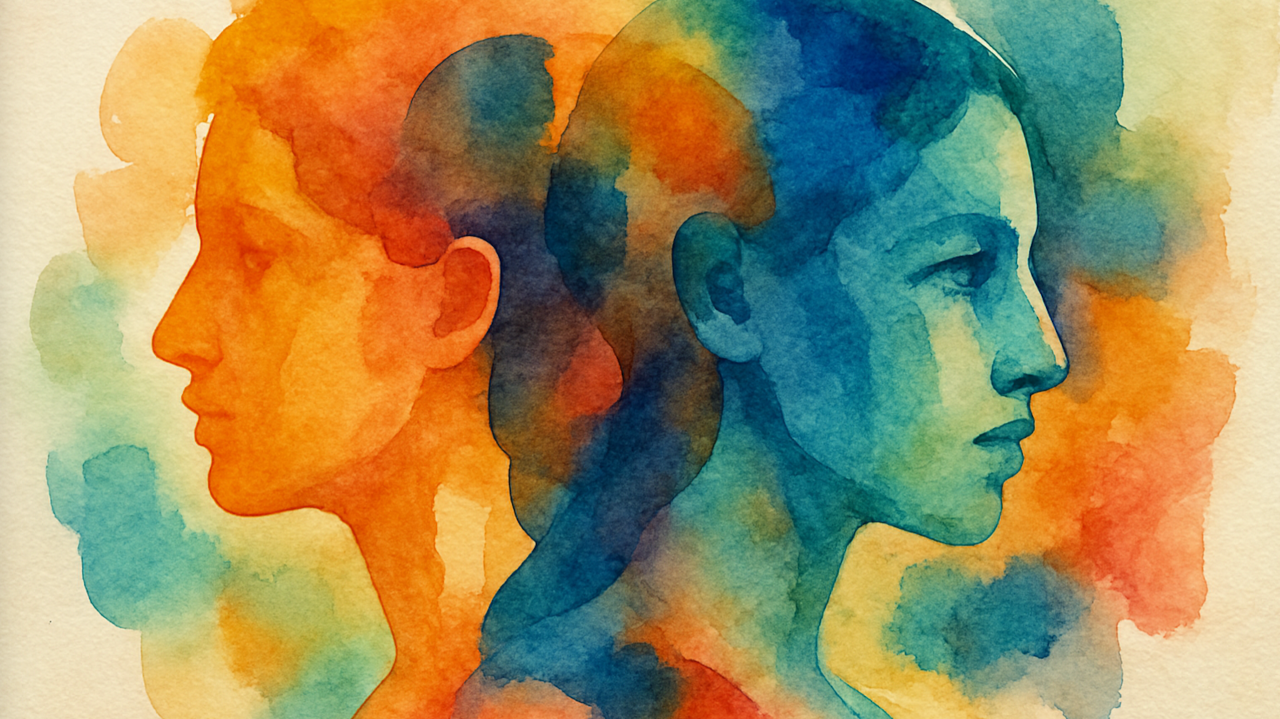
People often talk about bilingualism as an advantage. They rarely consider how it shapes who you become.
In a globalized world where borders are shrinking and cultures constantly intersect, being bilingual or multilingual is often celebrated for its practical benefits. We tell young people that knowing multiple languages opens doors. They can help family members, assist tourists, or navigate foreign countries with ease. This perspective is valid, and multilingualism does offer many advantages in an interconnected world. Yet there is a depth to being multilingual that goes far beyond these everyday benefits.
When you speak more than one language, you experience the world in a uniquely layered way. Languages are not simply codes for the same universal meanings. Each language carries its own history, culture, and ways of seeing. A single word in one language may capture a feeling or concept that does not exist in another. For example, the Chinese idea of "气度" (qìdù) encompasses a kind of calm strength and quiet dignity that goes beyond the English idea of composure. It reflects a whole worldview about grace and groundedness. Multilingual individuals shift between these perspectives every day, accessing a nuanced, embodied understanding of life and culture that others might not fully recognize. This cognitive and emotional flexibility influences how multilinguals communicate, and even more deeply, how they think, feel, and connect with the world.
At its core, multilingualism offers another way of being human. Each language provides a different lens that shapes identity, respect, and living. For example, the Chinese word "家和" (jiāhé) is the belief that harmony within the family shapes a person's well-being and outlook. This idea is not just about getting along at home. It is tied to deeper cultural understandings of balance, emotional safety, and the foundation needed to thrive. To hold multiple languages is to hold multiple ways of expressing who you are.
So while it is important to remind children of the tangible benefits of being bilingual, we should also honor the profound beauty of their multilingual minds. Multilingualism is not simply a skill. It is a way to foster empathy, deepen our cultural connections, and enrich our shared human experience.
